
In Depth Guide to Evidence Based Addiction Treatment Options
What Evidence Based Addiction Treatment Looks Like
Evidence based addiction treatment uses proven therapies, medical care when appropriate, and recovery supports that fit the whole person. The best plan is not one single method. It combines high-quality research, the clinician’s skill, and each partner’s goals, culture, health needs, and preferences.
Effective care often includes:
- A full assessment of substance use, mental health, safety, and daily life needs.
- Behavioral therapies that build coping skills, motivation, and recovery routines.
- Medical support when it is clinically appropriate.
- Family, peer, housing, employment, and case-management resources that make recovery easier to sustain.
Research summarized by McGovern and Carroll shows that staying connected to treatment longer and receiving more complete services are linked with better outcomes (McGovern & Carroll, 2003). Recovery can include setbacks, especially when addiction is severe. A setback is useful information for adjusting care, not proof that someone has failed.
At Stegall Counseling, PLLC, we believe compassionate, individualized support matters alongside proven methods. Our team helps partners explore evidence based addiction treatment in the context of anxiety, depression, trauma, relationships, family stress, and the practical barriers that can affect healing.
Core Pillars of Evidence Based Addiction Treatment
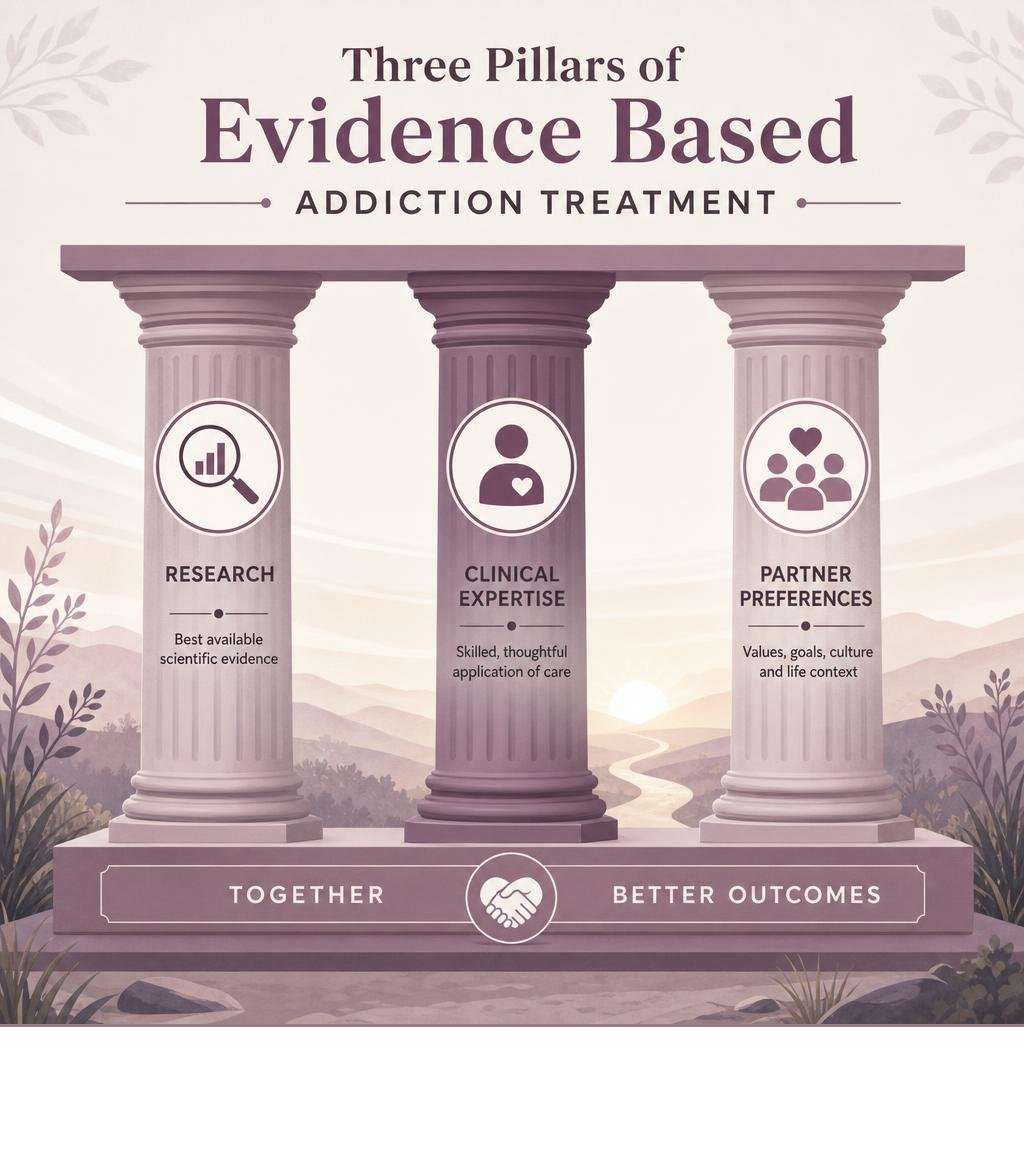
The foundation of genuine evidence-based practice rests on a three-legged model: empirical research, clinical expertise, and individual values. When these elements operate together, care moves away from guesswork and aligns with what genuinely works (McGovern & Carroll, 2003).
Empirical research gives us standard protocols tested across controlled clinical trials. These studies evaluate how specific techniques reduce cravings, prevent relapse, or improve life satisfaction. Clinical expertise ensures that providers know how to apply these protocols flexibly. Every person walks into a session with a unique background, and clinicians must adapt techniques to fit real-world moments. Individual preferences ensure that treatment honors cultural background, personal values, and unique goals.
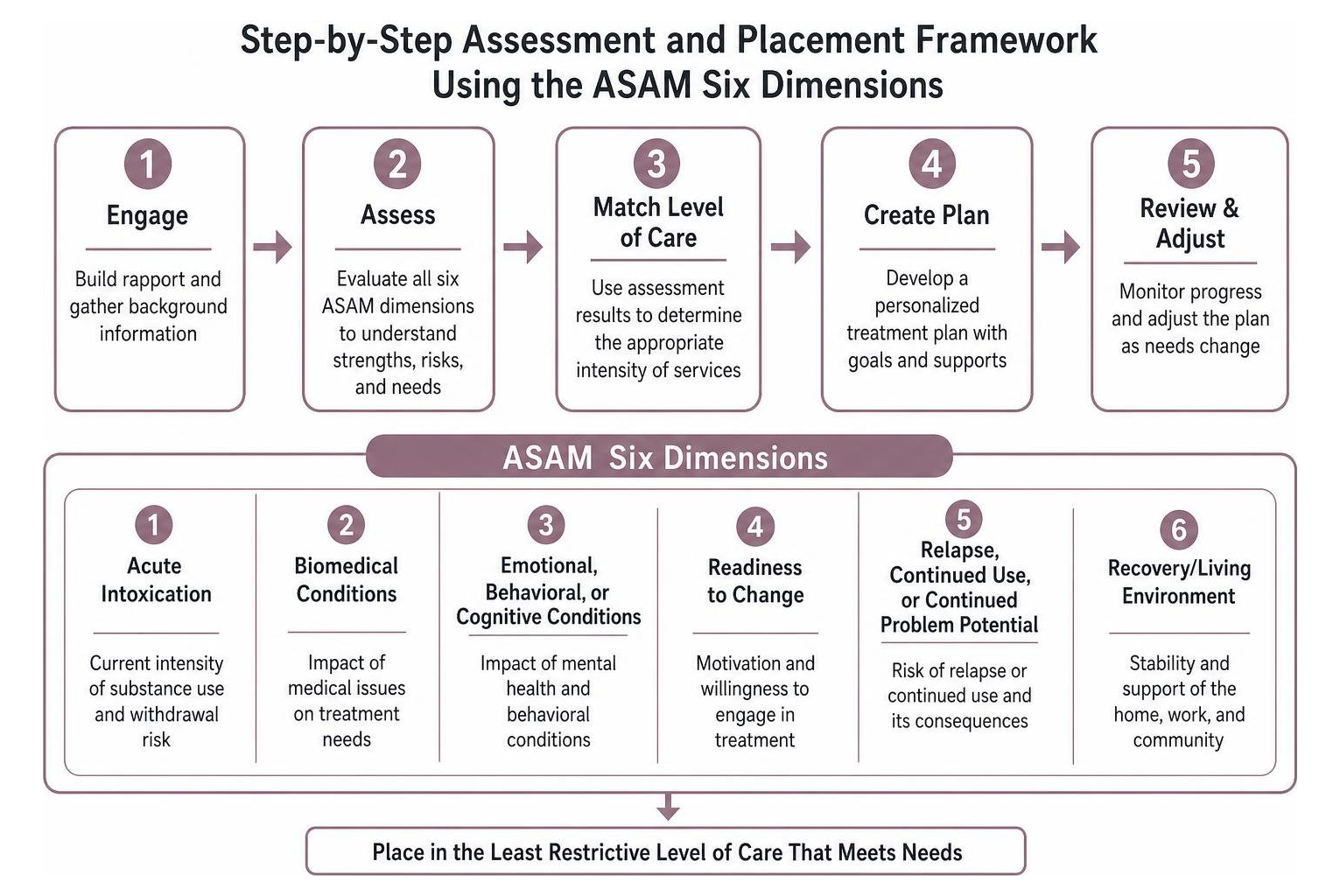
Understanding the effects of substance use a closer look helps clarify why standardized frameworks like the American Society of Addiction Medicine (ASAM) criteria are so essential. The ASAM criteria assess six distinct dimensions, including acute intoxication, biomedical conditions, emotional complications, readiness to change, relapse potential, and living environment. Using these dimensions prevents a one-size-fits-all approach and places each partner into the proper level of care, ranging from outpatient counseling to intensive residential services.
A comprehensive evaluation of cognitive behavioral therapy demonstrates that structured psychological interventions provide reliable, measurable improvements across diverse substance use concerns (Boness et al., 2023).
Behavioral Therapies in Evidence Based Addiction Treatment
Behavioral therapies form the core of psychological recovery. These methods help partners recognize unhelpful thought patterns, navigate cravings, and build resilient coping mechanisms.
- Cognitive Behavioral Therapy (CBT): CBT focuses on identifying automatic thoughts and environmental cues that trigger substance use. Partners learn practical problem-solving skills, cognitive reframing, and relapse prevention strategies. Meta-analyses show CBT can support improved outcomes for substance use concerns, helping individuals build lasting behavioral toolkits (Boness et al., 2023).
- Motivational Interviewing (MI): Change rarely happens in a straight line. MI is a collaborative, person-centered counseling style designed to strengthen personal motivation for and commitment to change. Clinicians explore ambivalence without judgment, allowing partners to discover their own internal reasons for recovery.
- Contingency Management (CM): CM uses objective monitoring alongside positive reinforcement to encourage healthy choices. Partners receive tangible incentives, such as vouchers or privileges, upon meeting agreed recovery goals or attending sessions. Clinical guidance identifies CM as a key behavioral intervention for stimulant use challenges (ASAM/AAAP, 2024).
When addressing complex recovery needs, clinical recommendations such as the clinical guideline on stimulant management emphasize pairing behavioral interventions like CM and CBT for optimal outcomes. At Stegall Counseling, PLLC, our substance abuse counseling services integrate these structured, compassionate methods to support lasting change.
Pharmacotherapy and Medical Interventions
Addiction alters brain neurochemistry, particularly in circuits governing reward, stress, and impulse control. For many individuals, behavioral counseling works best when combined with appropriate medical care. These medical interventions can help stabilize brain chemistry, manage uncomfortable withdrawal symptoms, and reduce persistent cravings.
Medical interventions do not replace counseling; rather, they create a stable foundation so partners can actively engage in psychological work. For alcohol use challenges, medical care can reduce consumption frequency, diminish reinforcing sensations, or maintain abstinence. For opioid use challenges, medical options can help prevent severe withdrawal, decrease mortality risk, and support long-term retention in care.
| Treatment Approach | Primary Mechanisms of Action | Optimal Clinical Context | Expected Outcomes |
|---|---|---|---|
| Behavioral Therapy Alone | Cognitive reframing, trigger identification, coping skills development | Mild to moderate substance use, high internal motivation | Improved self-efficacy, symptom reduction, enhanced emotional regulation |
| Medical Interventions Alone | Neurochemical stabilization, withdrawal management, craving suppression | Acute detoxification, stabilization phases | Reduced physical distress, lowered physiological relapse risk |
| Combined Modality (Behavioral + Medical) | Simultaneous psychological restructuring and biological stabilization | Moderate to severe dependence, co-occurring challenges | Stronger treatment retention, lower mortality risk, comprehensive long-term recovery |
A systematic review and meta-analysis of combined pharmacotherapy and cognitive behavioral therapy found that combined care can improve outcomes for adults with alcohol or substance use disorders compared with usual care or single-modality approaches (Ray et al., 2020).
Comprehensive and Specialized Recovery Approaches

Recovery is rarely a solitary process. A person’s environment, relationships, and underlying emotional health deeply influence their ability to heal. Substance use frequently co-occurs with mental health conditions like anxiety, major depression, or post-traumatic stress. Treating substance use while ignoring underlying mental health concerns often leads to recurring struggles.
Specialized trauma therapy is vital for individuals whose substance use developed as a way to cope with overwhelming past experiences. Integrated dual diagnosis care ensures that trauma symptoms and substance cravings are treated concurrently, building safety and nervous system regulation.
Family dynamics also play a central role in long-term wellness. Substance use alters communication patterns, trust, and mutual support within households. Evidence-based family approaches and behavioral couples therapy engage loved ones as active healing allies. These therapies improve relationship functioning, resolve conflicts, and establish healthy boundaries. Learning how to help someone with addiction a guide to supporting your loved one through substance use issues allows family members to replace enabling habits with constructive, empathetic support.
Integrating Whole-Person Care into Evidence Based Addiction Treatment
Lasting recovery requires addressing the practical, social, and environmental factors that surround daily life. SAMHSA identifies four major dimensions that support recovery: health, home, purpose, and community (SAMHSA Evidence-Based Practices Resource Center). Whole-person care integrates these practical dimensions into everyday clinical practice.
- Safe and Supportive Housing: Recovery housing can provide structured, substance-free living spaces that lower relapse risk and reduce emergency medical visits when the living environment is clinically appropriate.
- Vocational and Educational Assistance: Securing meaningful work or education fosters self-esteem, financial stability, and structured routines.
- Comprehensive Case Management: Case managers connect partners to legal aid, transportation, medical services, and nutritional resources, removing systemic barriers to healing.
- Culturally Responsive Care: Tailoring interventions to respect cultural values and specific community needs directly addresses minority stress and promotes deeper clinical engagement.
Overcoming Implementation Barriers in Clinical Care

Despite decades of robust clinical research, a gap often exists between laboratory findings and everyday clinical practice. Translating evidence-based treatments into community settings requires intentional systems, ongoing clinician education, and institutional support.
Common barriers to implementing evidence-based care include:
- Limited Clinician Training: Many providers were trained in historical, confrontational models rather than modern, compassionate behavioral techniques.
- Fidelity Drift: Without structured supervision and adherence protocols, evidence-based practices can lose their therapeutic components over time.
- System Fragmentation: Disconnected medical, psychiatric, and social services create administrative hurdles for partners trying to navigate recovery.
Overcoming these challenges involves active technology transfer, which translates clinical science into accessible tools for providers. Ongoing supervision, performance feedback dashboards, and standardized fidelity checklists ensure interventions remain effective. Linkages between specialized clinics, primary care, and community resources create a seamless network of care. At Stegall Counseling, PLLC, our providers maintain advanced training across diverse mental health specialties, ensuring that every partner receives contemporary, scientifically supported care.
Frequently Asked Questions About Addiction Recovery Methods
What makes a treatment method truly evidence-based?
A treatment is considered evidence-based when its effectiveness has been repeatedly demonstrated through rigorous, peer-reviewed scientific studies and randomized controlled trials. Rather than relying on tradition or anecdotal success, evidence-based methods follow clear protocols shown to produce measurable, positive outcomes. These methods are thoughtfully customized by skilled clinicians to match each partner’s unique background, medical profile, and personal recovery goals.
Why is dual diagnosis care necessary for lasting recovery?
Substance use and mental health conditions are deeply connected. Many individuals experience depression, anxiety, or trauma symptoms alongside substance use challenges, often using substances as a way to self-medicate distress. If a treatment plan addresses substance use without treating underlying emotional pain, the root causes of the behavior remain active. Dual diagnosis care treats both conditions at the same time, promoting comprehensive psychological healing and long-term stability.
Conclusion
Recovery is an ongoing process that thrives on comprehensive, individualized care. Proven behavioral therapies, medical interventions when appropriate, family counseling, and practical social supports offer a clear path toward sustainable well-being. No single approach works for everyone, but combining scientific evidence with compassionate clinical insight provides the strongest foundation for hope and health.
At Stegall Counseling, PLLC, located in Indian Trail, NC, we offer a warm, relatable, and humor-infused environment where you can work through life’s challenges without fear of judgment. Whether you are navigating substance use, emotional stress, trauma, or relationship difficulties, our team is here to support you. Please contact us today to learn more about our personalized therapy options and take your next step toward wellness.
References
McGovern MP, Carroll KM. “Evidence-based practices for substance use disorders..” The Psychiatric clinics of North America, 2003. PMCID PMC3678283. Boness CL, Votaw VR, Schwebel FJ, Moniz-Lewis DIK, McHugh RK, Witkiewitz K. “An Evaluation of Cognitive Behavioral Therapy for Substance Use Disorder: A Systematic Review and Application of the Society of Clinical Psychology Criteria for Empirically Supported Treatments..” Clinical psychology : a publication of the Division of Clinical Psychology of the American Psychological Association, 2023. PMCID PMC10572095.