
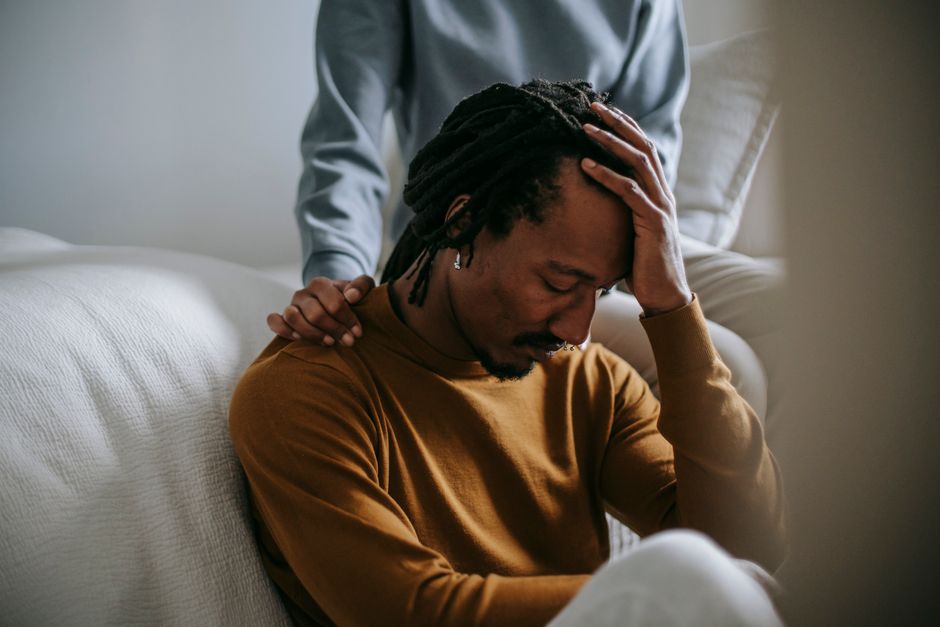
How to Find Quality and Affordable Couples Counseling
When Depression Affects Your Relationship: What Couples Need to Know
If you’re looking for depression couples support in Indian Trail, here are the most important things to know right now:
- Local help is available. Therapists in and around Indian Trail, NC offer couples counseling specifically for depression and relationship stress.
- Both partners are affected. Research shows roughly half of couples seeking therapy are dealing with mild or moderate depression — often without realizing it.
- Couples therapy works. Studies show it reduces both depressive symptoms and relationship distress at the same time.
- You don’t have to wait for a crisis. Early support leads to better outcomes.
- First step: Reach out to a licensed therapy practice in Indian Trail to schedule an initial consultation.
Depression doesn’t just affect one person — it quietly reshapes the entire relationship around it. Small things start to feel bigger. Distance grows. Communication breaks down. What once felt like a partnership can start to feel like two people living parallel lives under the same roof.
This is more common than most couples realize. Research consistently shows that depression and relationship distress fuel each other in a cycle: a struggling partner withdraws, the other picks up the slack and grows resentful, and the gap between them widens. According to clinical data, distressed spouses are three times more likely to experience a major depressive episode — and in unhappy marriages, nearly 45% of wives meet criteria for depression.
The good news? That cycle can be broken. And couples don’t have to wait until things fall apart to get support.
At Stegall Counseling PLLC, the practice has worked with many adults and couples navigating depression couples support in Indian Trail and the broader Charlotte area — helping partners move from emotional exhaustion back toward genuine connection. This guide walks you through everything you need to know to take that first step together.

Recognizing the Signs and Bidirectional Impact of Depression
Depression is rarely an isolated, individual experience. Instead, it behaves like an uninvited third party in a marriage or partnership. When one person is struggling with a mood disorder, the symptoms directly influence how both partners interact, argue, and connect.
In our work at Stegall Counseling PLLC, we often see how untreated depression manifests as profound emotional withdrawal. A partner who used to be engaged and talkative might suddenly spend hours scrolling on their phone, retreating to another room, or sleeping excessively. This isn’t out of laziness or a lack of love; it is a core symptom of depression, which drains an individual’s energy and capacity for engagement.
Unfortunately, this withdrawal is easily misread. The other partner may interpret this retreat as rejection or apathy, leading to a highly destructive cycle. When one partner pulls away, the other may push harder for connection, often using criticism or anger out of frustration. In response, the depressed partner retreats even further.
This dynamic often leads directly to what relationship experts call stonewalling. If you have ever felt like you are talking to a brick wall during an argument, or if you find yourself completely shutting down to avoid conflict, you have experienced this firsthand. To understand how this dynamic takes root and how to stop it, you can read more about What is Stonewalling? and how it erodes relational safety.
Furthermore, depression rarely travels alone. It is frequently accompanied by severe anxiety, which can make a partner hypersensitive to perceived slights or constantly worried about the stability of the relationship. When anxiety and depression co-occur, conflict patterns tend to become highly volatile or entirely frozen. Partners might find themselves having the exact same circular argument about chores or finances, completely missing the underlying emotional pain driving the friction.
To help untangle these complex emotional states, we offer specialized Anxiety Therapy and comprehensive Mood Disorders Therapy. Addressing these root issues together allows couples to stop blaming one another and start fighting the depression as a team.
Recognizing When to Seek Depression Couples Support Indian Trail
Identifying depression in a relationship can be tricky because it doesn’t always look like quiet sadness. Often, especially in men, depression presents as irritability, low frustration tolerance, or sudden outbursts of anger. You might notice your partner snapping over minor inconveniences, showing a loss of interest in hobbies they once loved, or expressing constant physical fatigue that sleep doesn’t seem to cure.
When these symptoms appear, the non-depressed partner often falls into the trap of “reassurance seeking and discounting.” The depressed partner may ask for reassurance (e.g., “Do you actually want to be with me?”), but when reassurance is given, they discount it because their depressive filter tells them it isn’t true. This leaves the supporting partner feeling exhausted, unappreciated, and emotionally depleted.
To break this cycle, we must learn the art of validation. Instead of simply trying to “fix” your partner’s bad mood or arguing with their negative outlook, acknowledging their pain without judgment can completely shift the energy in the room. Discover How Validation Can Transform Your Relationships to learn practical ways to make your partner feel truly heard.
Additionally, depression changes how we receive love. A gesture that used to make your partner smile might now go completely unnoticed. This is where understanding your partner’s unique emotional language becomes essential. By exploring the concepts in Love Languages: Speaking the Dialect of Your Loved One’s Heart, you can learn how to offer support in a way that actually registers through the heavy fog of depression.
Evidence-Based Therapies for Depression Couples Support Indian Trail
When seeking depression couples support in Indian Trail, it is reassuring to know that your path forward is backed by robust clinical science. Therapy isn’t just about sitting on a couch and venting; it is about using structured, evidence-based frameworks to reshape how you interact and heal.
One of the most significant pieces of research in this field is The Findings of a Cochrane Meta-Analysis of Couple Therapy in Adult Depression: Implications for Research and Clinical Practice. This systematic review highlighted that couple therapy is highly effective in reducing relationship distress, especially for couples where relationship discord and depression coexist. In fact, the research demonstrates that couple therapy is just as effective as individual psychotherapy for reducing depressive symptoms, while offering the massive added benefit of actually restoring the health of the relationship.
For couples who may feel overwhelmed by the prospect of long-term therapy, brief interventions can be incredibly powerful. A landmark study, A Randomized Clinical Trial of a Brief, Problem-Focused Couple Therapy for Depression, evaluated a highly structured, 5-session (10-hour) couple intervention. The results were striking: 67% of the women receiving the brief couple therapy showed significant improvement, and up to 47% fully recovered from their depressive symptoms at follow-up, compared to minimal recovery in the control group. Furthermore, this brief format significantly reduced the psychological distress and subjective burden experienced by the non-depressed partners.
In our practice, we draw from these evidence-based modalities, blending Cognitive Behavioral Therapy (CBT) and Emotionally Focused Therapy (EFT) to help couples:
- Identify and track the cycle: Recognizing how depression triggers withdrawal and how that withdrawal triggers partner anxiety.
- Improve communication: Moving away from criticism and defense mechanisms, and moving toward vulnerable, honest expressions of needs.
- Build mutual empathy: Helping the non-depressed partner understand the physiological weight of depression, while helping the depressed partner recognize the emotional toll on their spouse.
Navigating Barriers to Depression Couples Support Indian Trail
Despite the clear benefits of therapy, taking that first step can feel incredibly daunting. Here in Indian Trail and the surrounding Union County communities, unique cultural and social dynamics can sometimes create invisible barriers to seeking help.
In many suburban and tight-knit Southern communities, there remains a strong “pull-yourself-up-by-your-bootstraps” mentality. Couples may feel that their relationship struggles are private matters that should be handled behind closed doors, or they may worry about the stigma of admitting that they cannot handle things on their own. There can also be a fear of being judged by neighbors, church communities, or extended family members.
At Stegall Counseling PLLC, we believe that seeking support is a profound act of courage, not a sign of weakness. We work diligently to normalize mental health care, offering a warm, relatable, and humor-infused environment where you can let your guard down. We recognize that life transitions — such as moving to the growing Indian Trail area, changing careers, or navigating parenthood — can place immense pressure on a marriage.
To help you navigate these shifts, we offer specialized support for Relationship Counseling & Life Transitions, helping you adapt to life’s changes without losing your connection to each other. Building resilience as a couple means learning to see therapy as a proactive tool for growth. For more insights on maintaining a strong bond through life’s ups and downs, check out our guide on Nurturing Connections: Building and Maintaining Healthy Adult Relationships.
Practical Steps, Self-Care, and Levels of Care
Supporting a partner through depression is a marathon, not a sprint. If you do not actively protect your own mental and physical energy, you run a very high risk of partner burnout. It is entirely possible to love your partner deeply while also feeling incredibly frustrated, lonely, and exhausted by their illness.

To maintain your own well-being while remaining a supportive partner, consider these essential self-care strategies:
- Set Loving Boundaries: You can be a supportive partner without becoming your spouse’s therapist. It is okay to say, “I love you and I want to support you, but I don’t have the capacity to solve this problem right now.”
- Maintain Your Own Routine: Keep up with your own friendships, hobbies, and physical exercise. Your life cannot completely halt because your partner is in a dark place.
- Practice Active, Non-Judgmental Listening: Sometimes, the best thing you can do is simply sit with your partner in their sadness without trying to offer solutions or look on the bright side.
To help you maintain a sense of partnership during difficult weeks, we recommend integrating these simple, daily connection exercises into your routine:
- The 10-Minute Temperature Check: Set aside ten minutes every evening to talk about your day without discussing logistics, chores, or children. Focus entirely on how you are both feeling emotionally.
- Small Physical Touchpoints: A six-second hug or holding hands while watching television can release oxytocin and help maintain physical intimacy when sexual desire is low due to depression.
- The “No-Pressure” Walk: Go for a short, casual walk around your neighborhood. Removing eye contact by walking side-by-side often makes it easier to talk about heavy emotional topics without feeling cornered.
Determining the Right Level of Care and Financial Options
For most couples, traditional weekly or bi-weekly outpatient counseling is the perfect cadence to build new habits and process emotions. However, there are times when a higher level of care is necessary.
If your partner is struggling with severe, treatment-resistant depression, self-harm, or persistent suicidal thoughts, traditional weekly sessions may not provide enough support. In these instances, you might want to explore an Intensive Outpatient Program (IOP). An IOP typically involves multi-hour group and individual therapy sessions several times a week, allowing the individual to receive structured clinical support while still living at home and maintaining their relationship.
When planning for therapy, it is also important to understand your financial and clinical goals. At Stegall Counseling PLLC, we offer in-network insurance options as well as private pay and out-of-network benefits to help make our Mental Health Specialties accessible to local families.
To help you conceptualize what therapy looks like, here is a quick comparison of short-term and long-term therapeutic goals:
| Short-Term Therapy Goals (1-3 Months) | Long-Term Therapy Goals (6+ Months) |
|---|---|
| De-escalating daily conflicts and circular arguments | Rewiring deep-seated relational patterns and attachment wounds |
| Establishing basic self-care routines for both partners | Processing historical trauma and family-of-origin dynamics |
| Learning active listening and validation techniques | Maintaining long-term relationship resilience and relapse prevention |
| Creating a safety plan for severe depressive episodes | Deepening physical, emotional, and spiritual intimacy |
Frequently Asked Questions about Relationship Therapy
Taking the plunge into therapy often comes with a lot of questions. Here are a few of the most common concerns we hear from couples in Indian Trail.
How can I encourage my partner to start therapy without causing defensiveness?
The key is to avoid coming to the conversation with a list of accusations or diagnoses. If you say, “You’re depressed and you need help,” your partner will likely shut down or become highly defensive.
Instead, frame the invitation around your desire for a healthier relationship and use “I” statements. For example: “I’ve been feeling really disconnected from you lately, and it hurts to see you carrying such a heavy load alone. I want our relationship to be a safe place for both of us. Would you be willing to go to a couples counseling session with me so we can learn how to navigate this together?”
This shifts the narrative from “You are broken and need fixing” to “Our relationship is important, and I want to work as a team to make things better.”
What should we expect during our first couples counseling session?
Your first session is entirely about building safety, comfort, and a shared understanding of where you are. We won’t expect you to solve all your problems in the first fifty minutes!
Instead, we will conduct a gentle assessment of your relationship’s history, discuss the specific ways depression is currently impacting your daily life, and start setting collaborative goals. Our approach at Stegall Counseling PLLC is warm, highly relatable, and infused with humor — because we believe that even in the midst of heavy topics, healing should feel human and encouraging.
How do we maintain relationship intimacy when one partner is depressed?
When depression is present, physical and emotional intimacy are usually the first things to dry up. It is important to redefine what intimacy looks like during this season. If you set the bar at passionate romance, you may both end up feeling disappointed.
Instead, focus on low-pressure, micro-connections. A gentle hand squeeze, a kind text message during the work day, or sitting quietly together without screens can maintain the thread of connection. By taking the pressure off physical performance and focusing instead on emotional safety, you lay the groundwork for physical intimacy to return naturally as the depressive episode lifts.
Conclusion
Living with depression is incredibly hard; navigating it within a relationship can feel nearly impossible without the right tools. But you do not have to carry this heavy weight alone.
At Stegall Counseling PLLC, we specialize in helping individuals and couples break free from painful cycles of withdrawal, anxiety, and conflict. Our goal is to provide a therapy experience that feels less like a clinical interrogation and more like a warm, supportive conversation with an expert who truly gets it. With our relatable approach and convenient in-network options, we are committed to helping Indian Trail couples rediscover hope, laughter, and genuine connection.
If you are ready to take that first courageous step toward healing your relationship, we are here to walk alongside you. Schedule a Consultation with us today, and let’s start building a brighter, more connected future together.